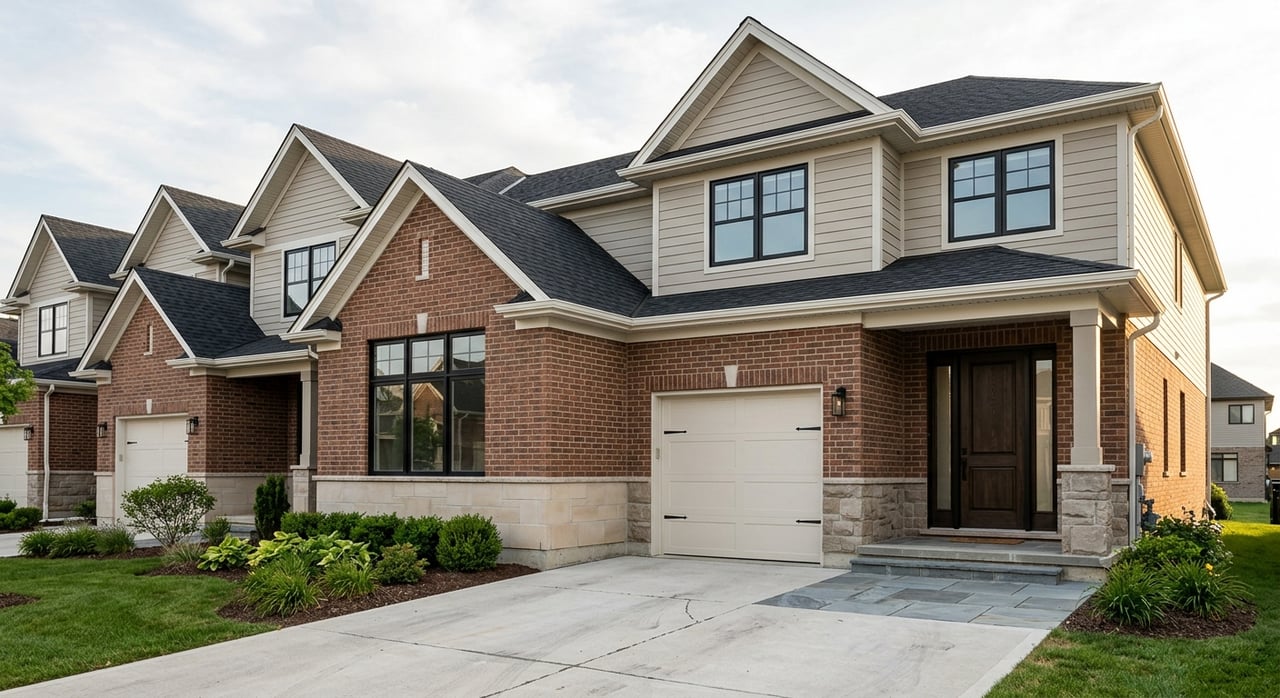
Trying to choose between a townhome and a house in Naperville? You are not alone. Many buyers like the idea of lower upkeep and a lower entry price, but also do not want to give up privacy, outdoor space, or long-term flexibility. The good news is that Naperville offers both options, and each can work well depending on your budget and lifestyle. In this guide, you will see the key tradeoffs, local price differences, and the questions that matter most before you decide. Let’s dive in.
Naperville Housing Basics
Naperville has a housing mix that leans heavily toward detached homes. According to the city’s Consolidated Plan, about 62% of housing units are single-family detached, with the rest made up mostly of attached homes and apartments.
That said, attached housing is an important part of the local market. The city’s draft comprehensive plan describes mixed-residential areas that include townhomes, rowhomes, duplexes, detached homes, and multifamily buildings. It also identifies townhomes and smaller-lot homes as part of a more diverse housing mix.
If you are comparing neighborhoods, age of housing can matter too. The city notes that older housing is generally closer to downtown Naperville, while newer housing is more common south of 75th Street. In older areas, some townhome communities may have smaller units and fewer amenities, while older detached homes may sit on smaller lots with less square footage.
Townhome vs House at a Glance
A townhome is usually a multi-level home with a private entrance that shares one or two walls with neighboring homes. Fannie Mae notes that townhomes often include a private patio or deck and are usually less expensive than single-family homes, even when the size is similar.
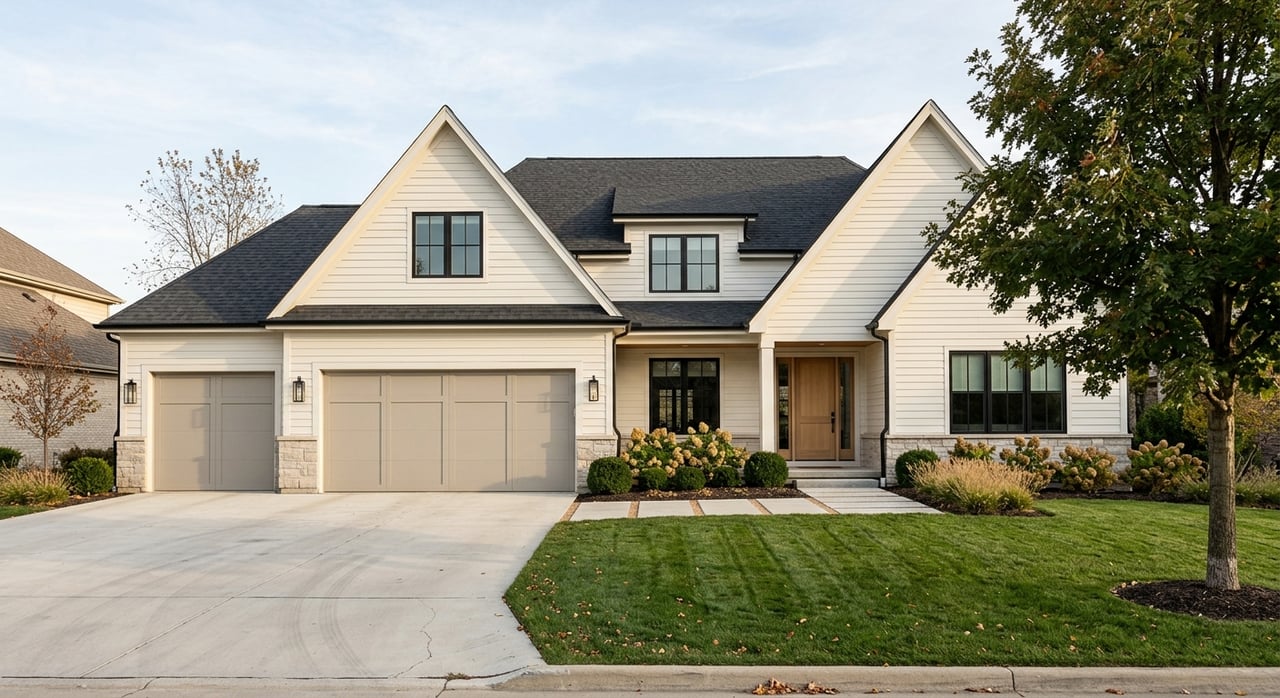
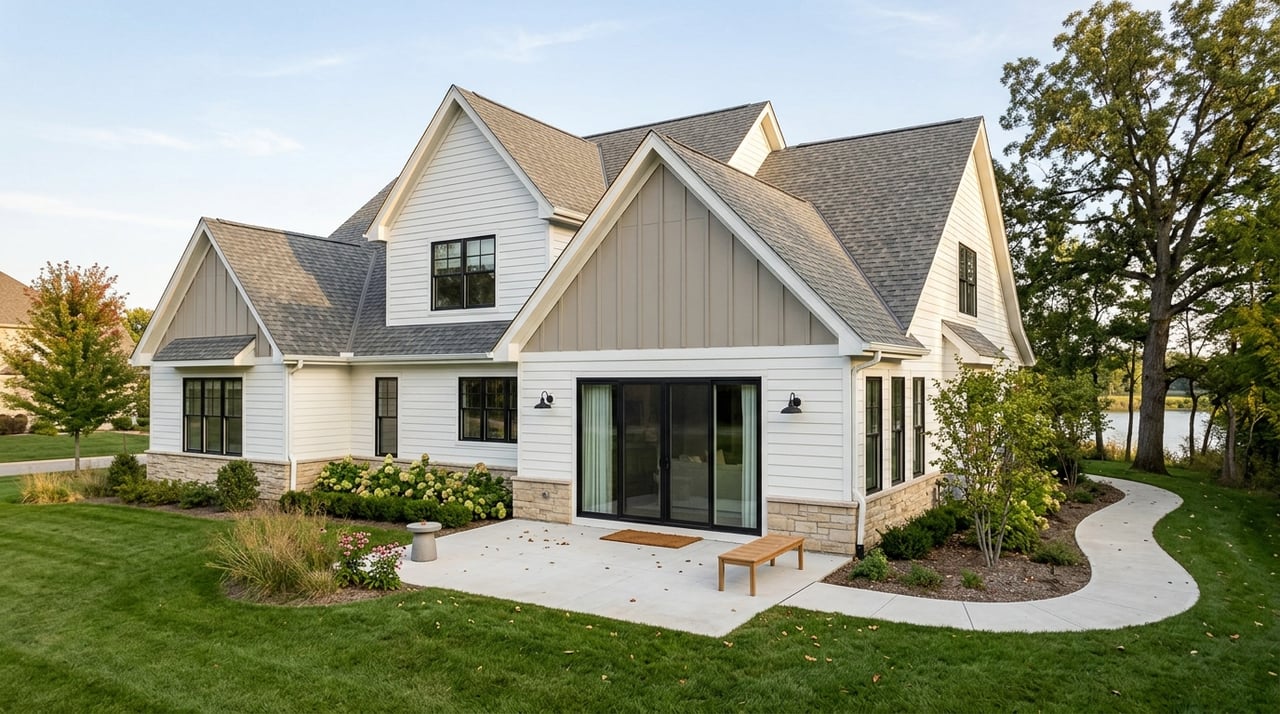
A single-family house stands on its own lot with no shared walls. According to the National Association of Realtors, this setup usually gives you more separation from neighbors, more outdoor space, and more freedom to customize the property.
Here is the simplest way to think about it: a townhome often trades some privacy and control for lower upkeep and a lower purchase price, while a house often gives you more space and flexibility but asks more from your budget and your time.
Price Differences in Naperville
For many buyers, the budget conversation starts here.
Recent Naperville market data from MRED show a large gap between detached and attached homes. The trailing 12-month median sale price was about $699,000 for detached single-family homes and about $330,000 for attached single-family homes.
That is a difference of roughly $369,000. Put another way, the detached median was a little more than 2.1 times the attached median. If you are trying to get into Naperville with a more moderate purchase price, that gap alone may push a townhome higher on your list.
Still, price is only one part of affordability. Your monthly cost can look very different once you factor in taxes, insurance, maintenance, and any HOA dues.
Monthly Cost Is More Than the Mortgage
A lower sale price does not always mean a lower total monthly cost. This is especially important when you compare a townhome with HOA fees to a detached house without them.
Fannie Mae explains that townhome owners often pay HOA fees, and those fees are separate from the mortgage payment. Depending on the community, the HOA may cover some or all exterior maintenance, and part of the fee may also go toward reserve funds or special assessments. That is why you should review the community’s rules and documents carefully to see exactly what is covered.
On the property tax side, Illinois states that tax bills are based on equalized assessed value and local taxing district levies. The Illinois Department of Revenue and the City of Naperville both make clear that the final amount depends on the individual property value, which means detached homes often, but not always, have higher tax bills because they tend to have higher assessed values.
One more caution matters here. You should not assume the seller’s property tax bill will be your future bill. The state’s property tax relief rules include homestead exemptions and certain freeze benefits for some owners, and those may not carry over in the same way to a new buyer.
Maintenance and Responsibility
Maintenance is one of the biggest lifestyle differences between a townhome and a house.
With a townhome, the HOA may handle tasks like exterior upkeep, snow removal, or landscaping, but coverage varies. Fannie Mae recommends checking the CC&Rs and related HOA documents so you understand what the association handles and what remains your responsibility.
With a single-family house, you are generally responsible for everything inside and outside the home. The National Association of Realtors notes that this includes maintenance costs, property taxes, and insurance.
That can be a plus if you want full control. It can also be a challenge if you do not want to spend weekends on yard work, repairs, or seasonal maintenance.
It is also worth noting that house does not always mean no HOA. NAR points out that some single-family homes are still located in HOA communities, so it is smart to verify that detail before you make assumptions.
Privacy, Space, and Outdoor Living
If privacy is high on your list, a detached house usually has the advantage. You do not share walls, and you typically have more direct control over your outdoor space.
NAR says single-family homes usually offer more privacy, more room for customization, and their own land. That can matter if you want a larger yard, more distance from neighbors, or more freedom to make changes over time.
Townhomes, on the other hand, can work well if you prefer a more compact layout and do not need a full yard. Fannie Mae describes townhomes as often having a patio or deck rather than a larger private lot. For some buyers, that is not a drawback at all. It may be the better fit if you want some outdoor space without the work that comes with lawn care and snow removal.
How Naperville Location Can Affect Your Choice
Your choice may also depend on where in Naperville you want to live.
In older parts of the city, the housing stock may include older detached homes on smaller lots and older townhome communities with smaller floor plans or fewer amenities. Near downtown, that could affect how you compare value, updates, and maintenance expectations.
In newer parts of Naperville, especially south of 75th Street, you may find newer housing options and different community layouts. If your decision is close, the age of the property and the type of community may matter just as much as whether the home is attached or detached.
When a Townhome May Make Sense
A townhome may be the better fit if you are looking for a simpler ownership experience and a lower entry price.
You may want to focus on townhomes if you:
- Want a lower purchase price in Naperville
- Prefer less exterior upkeep
- Are comfortable with shared walls
- Like the idea of HOA-managed services or amenities
- Do not need a large yard
- Want a more compact, efficient layout
This path can make a lot of sense if your main goal is getting into the Naperville market while keeping your upfront cost more manageable.
When a House May Make Sense
A detached house may be the stronger choice if control, privacy, and outdoor space matter more to you than lower maintenance.
You may want to focus on houses if you:
- Want more privacy from neighbors
- Prefer a yard or larger outdoor space
- Need more room to spread out
- Want more freedom to customize the property
- Are comfortable taking on full maintenance responsibility
- Can budget for higher purchase price, taxes, insurance, and repairs
If you are thinking long term and want more flexibility in how you use and maintain the property, a house may feel like the better match.
Questions to Ask Before You Decide
If you are still on the fence, ask yourself these practical questions:
- Is the HOA fee manageable for my monthly budget?
- What exterior items does the HOA actually cover?
- Am I comfortable sharing a wall with neighbors?
- How much yard work do I really want to do?
- Would I use a larger yard enough to justify the cost?
- Does the house budget still work after taxes, insurance, and repairs?
- Am I comparing older and newer homes fairly based on size, condition, and amenities?
These questions can help you move past the basic idea of cheaper versus bigger and focus on what day-to-day ownership will really feel like.
The Best Choice Depends on Your Priorities
There is no one-size-fits-all answer in Naperville. A townhome can be a smart choice if you want a lower entry price, less exterior work, and a more manageable footprint. A house can be the better option if you want more privacy, a yard, and greater freedom to shape the property over time.
The right move is the one that fits your lifestyle, budget, and comfort level with maintenance. If you want help comparing homes, reviewing carrying costs, or narrowing down the right fit for your goals, Latitude Realty is here to guide you with clear, personalized advice.
FAQs
What is the main difference between a Naperville townhome and a house?
- A townhome usually shares one or two walls with neighboring homes and may include HOA-managed exterior maintenance, while a house is detached, has no shared walls, and usually gives you more privacy and outdoor space.
Are townhomes cheaper than houses in Naperville?
- Based on recent MRED market data, attached single-family homes had a much lower median sale price than detached single-family homes in Naperville.
Do Naperville townhomes always have HOA fees?
- Many townhomes do have HOA fees, and those fees are separate from your mortgage. You should review the HOA documents to confirm costs, coverage, and any reserve or assessment details.
Can a Naperville single-family house still have an HOA?
- Yes. A detached house can still be located in an HOA community, so you should verify that before making assumptions.
Are property taxes lower on Naperville townhomes?
- They are often lower because attached homes tend to have lower assessed values, but your actual tax bill depends on the property’s assessed value, taxing district, and any exemptions.
Is a townhome or house better for low maintenance in Naperville?
- A townhome is often the better fit if you want less exterior upkeep, especially when the HOA handles items like landscaping or snow removal. You should still confirm exactly what the HOA covers.
How do I choose between a townhome and a house in Naperville?
- Start with your budget, then weigh privacy, outdoor space, maintenance responsibility, HOA costs, and how long you plan to stay in the home.