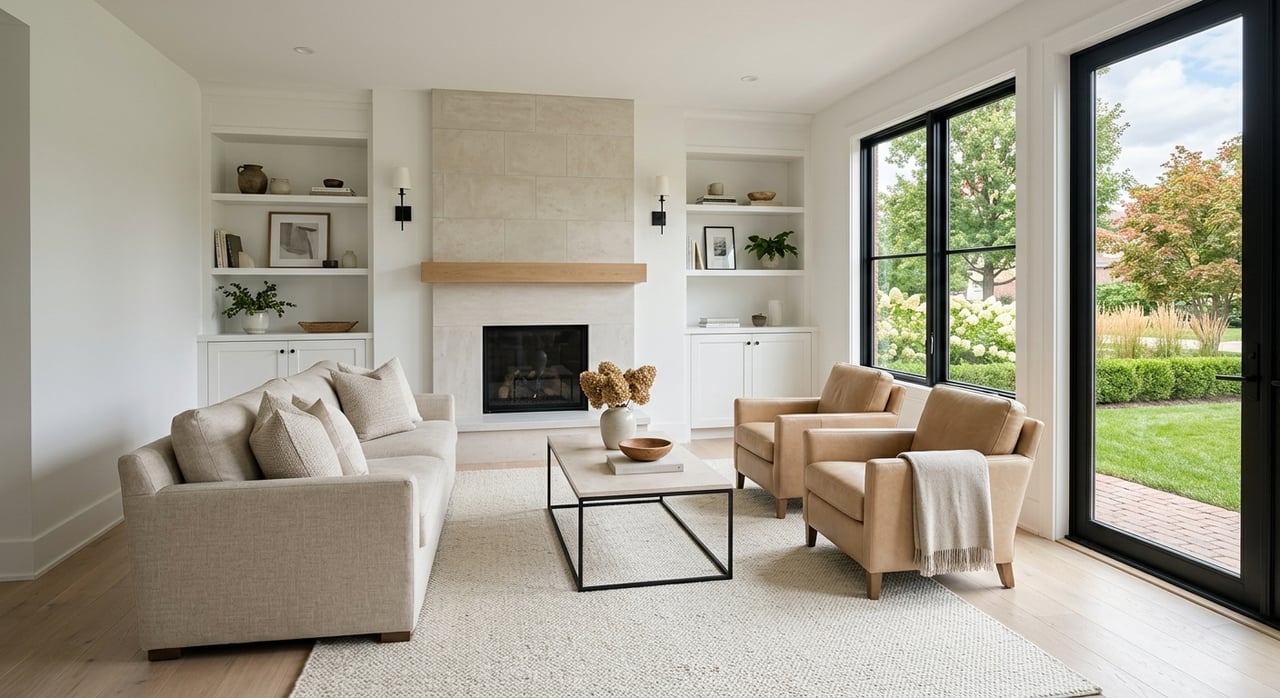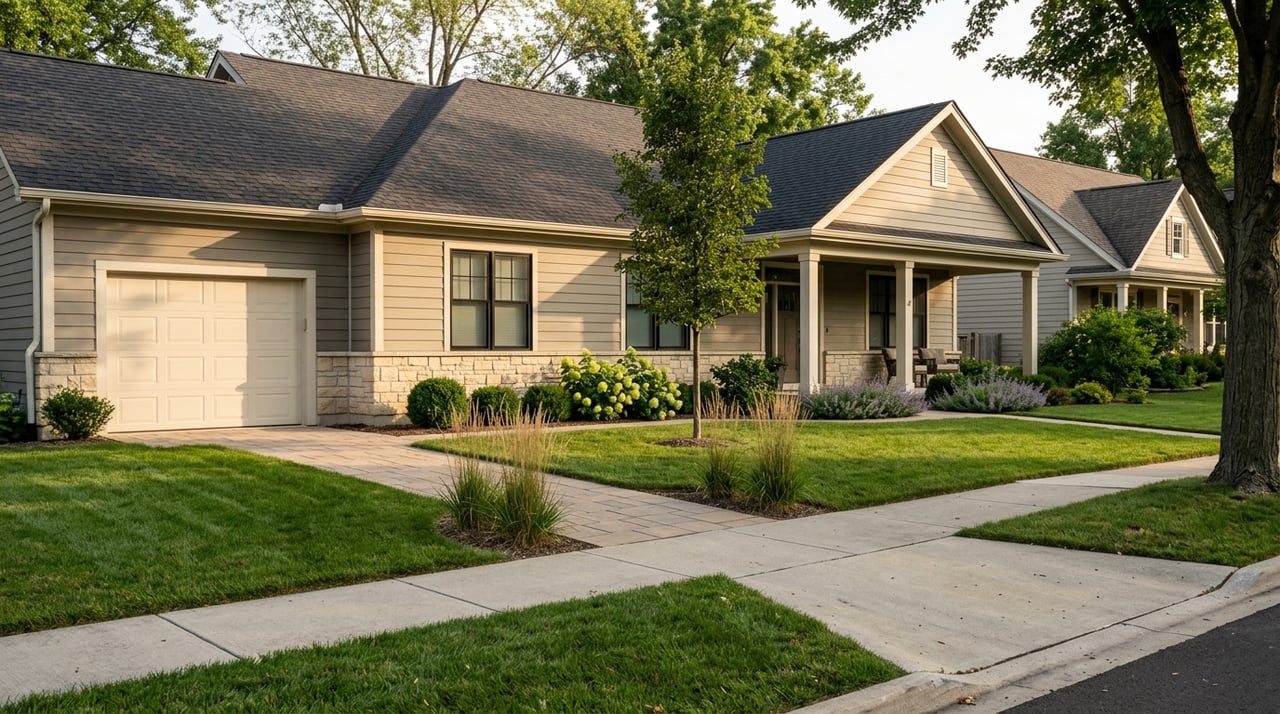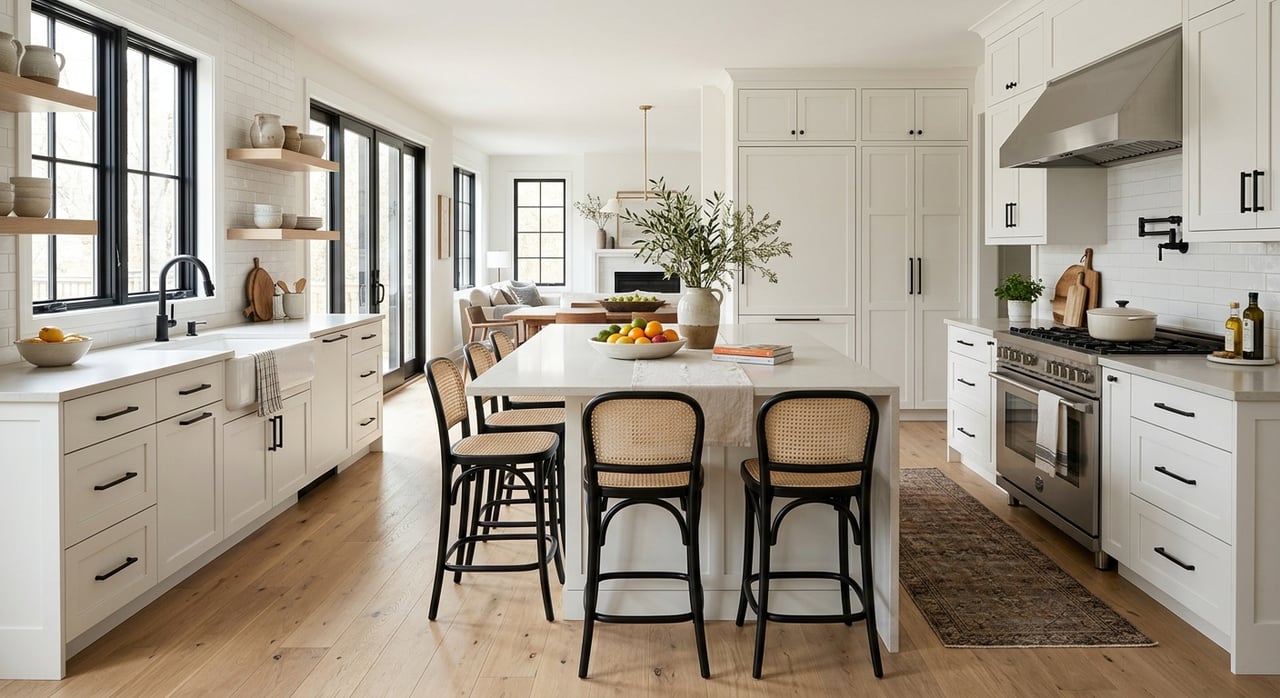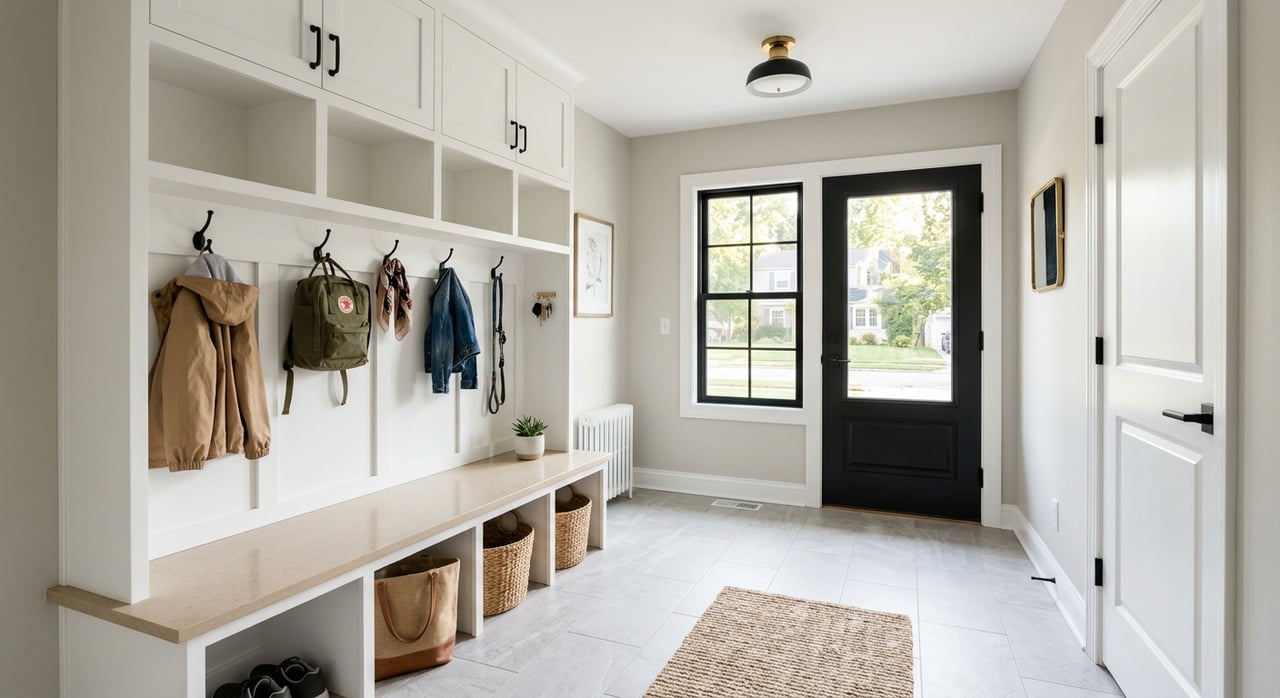
Thinking about trading the I-55 or I-80 corridor for Naperville? It can feel like a simple move on the map, but in real life, the shift is often much bigger than people expect. If you are relocating from Chicago’s southwest suburbs, understanding how Naperville lives, moves, and homes are laid out can help you make a smarter decision and avoid expensive surprises. Let’s dive in.
Why Naperville Feels Different
Naperville is not just another suburb with a few neighborhoods and a commuter route into the city. It had 149,540 residents in the 2020 Census, which makes it a much larger community than many southwest suburban buyers are used to navigating.
That scale changes your day-to-day experience. Instead of a more village-style setup, you are moving into a layered suburban city with a distinct downtown, major corridor shopping and service areas, and multiple neighborhood hubs spread across town.
The city also has a higher-resource profile than many nearby communities. Naperville’s median household income was $150,937 in 2019-2023 ACS data, and that broader economic base often shows up in the depth of amenities, services, and housing options available across the city.
What Daily Life Looks Like in Naperville
If you are used to doing most errands in one compact area, Naperville may take some adjustment. Civic life and daily conveniences are distributed across the city, rather than centered in one small downtown or along one main corridor.
Naperville highlights several signature amenities, including the Riverwalk, Centennial Beach, and Naper Settlement. The Naperville Park District also maintains more than 2,500 acres across 140 parks and facilities and offers more than 1,400 programs and special events each year.
That means your lifestyle choices can vary a lot depending on where you live. One part of Naperville may put you closer to downtown activity, while another may place you nearer to major shopping corridors, parks, or rail access.
The city is also served by three Naperville Public Library branches: Nichols Library, Naper Blvd. Library, and 95th Street Library. That small detail says a lot about how Naperville functions, with services spread across a wider footprint instead of concentrated in one central area.
Commuting From Naperville
For many buyers moving from the southwest suburbs, the biggest practical change is the commute. If your routine has been mostly expressway-based, Naperville often asks you to think in a more flexible way.
Metra’s BNSF line serves Naperville through the downtown station and the Route 59 station. According to the city, service runs east to Chicago and west to Aurora, with regular daytime trains and express service during morning and evening commute periods.
Pace adds another layer to the network, with rush-hour service to both stations, several all-day routes, and weekday on-demand service in the Naperville-Aurora area. Amtrak also stops at Naperville Station, which gives the city another transportation option that many smaller suburbs do not have.
In practical terms, your commute may become a mix of rail, local arterial driving, and parking planning. That is especially true if you want access to downtown Naperville, Route 59, or other active parts of the city without relying only on a long expressway drive.
Downtown Parking Matters More Than You Think
If you expect to spend time downtown, parking is part of the routine. The city manages downtown parking through garages, surface lots, and permit programs for employees and residents, while much of the visitor parking is time-limited.
That does not make downtown difficult to use, but it does mean planning matters. If you are coming from a suburb where parking is rarely a thought, this is one of those everyday changes worth understanding before you buy.
Naperville Housing Options Are Broader
One reason buyers are drawn to Naperville is variety. Compared with many southwest corridor communities, Naperville offers a wider range of housing types and neighborhood settings.
The city’s land-use planning describes traditional neighborhoods as primarily single-family detached homes, with some attached housing and duplexes. In older areas, you may see smaller lots and a more traditional street grid, while newer traditional neighborhoods often feature curving streets, courts, and cul-de-sacs.
Downtown brings another option altogether. The city describes it as a compact, pedestrian-oriented mixed-use core with multifamily residential, retail, restaurants, service businesses, office uses, and entertainment.
Along major corridors like Route 59 and 95th Street, Naperville’s urban centers are more auto-oriented and can include grocery stores, restaurants, entertainment uses, professional offices, medical buildings, multi-tenant shopping centers, and supporting residential uses. For a buyer, that creates a wider menu of living styles than you may find in a smaller southwest suburban market.
Older Areas and Historic Homes
Some buyers are surprised to learn that Naperville also includes preservation-sensitive housing areas. The local historic district includes about 320 properties and 253 homes, plus part of the North Central College campus.
If you are drawn to older architecture, established streetscapes, or homes with more historic character, that can be a meaningful part of your search. It also means you may run into neighborhoods where the visual character feels very different from newer subdivisions in the southwest suburbs.
Public Education and Community Anchors
For many relocating buyers, public education is part of the home search. Naperville’s education page identifies Community Unit School District 203 and Indian Prairie School District 204 as the public districts serving the city.
North Central College is also located in downtown Naperville. Even if college access is not part of your decision, the campus adds another civic anchor to the downtown environment and contributes to the city’s mixed-use feel.
Budgeting for a Move to Naperville
This is where many relocations need a reset. If you are moving from communities along the southwest corridor, your budget may not stretch the same way in Naperville.
A spring 2026 market snapshot showed Naperville with a median sale price of $538,500 and about 46 days on market. In the same period, nearby corridor markets came in lower, including Plainfield at $494,745, Lockport at $355,000, Joliet at $317,836, and Morris at $309,590.
That does not mean Naperville is out of reach. It does mean you may need to rebalance your priorities around location, housing type, transit access, and nearby amenities instead of focusing only on square footage.
Expect More Competition
Naperville also tends to be a more competitive market. In that same spring 2026 snapshot, Naperville had a Compete Score of 72, compared with 53 in Plainfield, 64 in Joliet, and 71 in Morris.
For you as a buyer, that can mean moving faster when the right home hits the market. It can also mean doing more upfront planning on budget, must-haves, and preferred areas so you are ready to act with confidence.
How to Narrow Your Search in Naperville
Because Naperville is larger and more layered than many southwest suburbs, the smartest search usually starts with lifestyle, not just price. Before you tour homes, it helps to get clear on how you want to live in the city.
Here are a few helpful questions to ask yourself:
- Do you want easy access to a Metra station?
- Do you picture yourself spending time in downtown Naperville?
- Would you rather live near larger shopping and service corridors like Route 59 or 95th Street?
- Are you looking for a traditional detached home, attached housing, or a downtown condo or townhome feel?
- Do you prefer an older neighborhood pattern or a newer subdivision layout?
Those answers can shape your search much faster than square footage alone. In Naperville, location often affects your routine just as much as the home itself.
What Buyers From the Southwest Suburbs Should Keep in Mind
Relocating to Naperville often means stepping into a more complex market with more housing choices, more transportation options, and more neighborhood variation. That can be a real advantage if you want flexibility and amenities, but it also calls for a more intentional plan.
At Latitude Realty, we take a concierge approach because relocation is rarely just about finding a house. You are comparing commutes, budgets, home styles, and everyday routines all at once, and having clear guidance can make the process feel a lot more manageable.
If you are weighing a move from Morris, Plainfield, Lockport, Joliet, or another southwest suburban community, we can help you sort through the tradeoffs and build a search strategy that fits your goals. When you are ready to talk through your move, connect with Latitude Realty.
FAQs
What is the biggest difference between Naperville and Chicago’s southwest suburbs?
- Naperville functions more like a layered suburban city, with a distinct downtown, corridor-based commercial areas, multiple civic nodes, broader transit options, and a wider range of housing types than many smaller southwest suburban communities.
What public transportation options are available in Naperville?
- Naperville is served by Metra’s BNSF line at the downtown station and Route 59 station, Pace bus service including weekday on-demand service in the Naperville-Aurora area, and Amtrak service at Naperville Station.
What kinds of homes can you find in Naperville?
- Naperville includes traditional single-family homes, some attached housing and duplexes, downtown multifamily options, and housing connected to mixed-use corridor areas, along with older homes in and around the local historic district.
Is Naperville more expensive than nearby southwest suburbs?
- Based on a spring 2026 market snapshot, Naperville’s median sale price of $538,500 was higher than several nearby corridor markets, including Plainfield, Lockport, Joliet, and Morris.
What school districts serve Naperville?
- The city identifies Community Unit School District 203 and Indian Prairie School District 204 as the public school districts serving Naperville.
How should buyers plan for a move to Naperville?
- You will usually benefit from setting priorities early around budget, commute style, preferred housing type, and access to places like downtown, Route 59, 95th Street, parks, and transit before starting your home search.